
Proposition 65
Officially known as the Safe Drinking Water and Toxic Enforcement Act of 1986, Proposition 65 (aka Prop 65) is a California law requiring businesses to warn consumers about significant exposures to chemicals known to cause cancer, birth defects, or reproductive harm, covering products, workplaces, and drinking water sources. It mandates businesses to provide these warnings unless they can prove exposure poses “no significant risk,” acting as a “right-to-know” law to help people make informed decisions about potentially harmful substances found in everyday items.
Testing
Testing covers over 900+ chemicals in consumer goods to determine if warning labels are required. Failure to comply can lead to legal action and fines up to $2,500 per violation per day.
Key aspects of Prop 65 testing include:
- Targeted Analysis: Testing specifically for chemicals on the Office of Environmental Health Hazard Assessment (OEHHA) list.
- Test Methods: Techniques include analytical chemistry, wipe testing for surface contaminants, and migration studies for packaging.
- Commonly Tested Items: Textiles, toys, electronics, jewelry, food, and household goods.
- Compliance Strategy: Testing determines if a product requires a “clear and reasonable” warning label or if it falls below safe harbor levels.
- Proposition 65 “safe harbor” levels are regulatory thresholds established by the California Office of Environmental Health Hazard Assessment (OEHHA). If exposure to a listed chemical remains at or below these levels, businesses are exempt from providing a formal Prop 65 warning. These thresholds include No Significant Risk Levels (NSRLs) for carcinogens and Maximum Allowable Dose Levels (MADLs) for chemicals causing reproductive harm
The List of Chemicals
Prop 65 requires California to publish a list of chemicals known to cause cancer, birth defects or other reproductive harm. For a complete listing, visit the official OEHHA website. This list, which must be updated at least once a year, has grown to include approximately 900 chemicals since it was first published in 1987. The list contains a wide range of naturally occurring and synthetic chemicals that include additives or ingredients in pesticides, common household products, food, drugs, dyes, or solvents. Listed chemicals may also be used in manufacturing and construction, or they may be byproducts of chemical processes.
The Warning
Prop 65 requires businesses selling products in California to provide a warning if the product exposes consumers to listed chemicals above a certain threshold. The presence of a warning does not necessarily mean the product is unsafe or violates safety standards, but it indicates the presence of a listed chemical. By requiring that this information be provided, Prop 65 enables Californians to make informed decisions about their exposures to these chemicals.
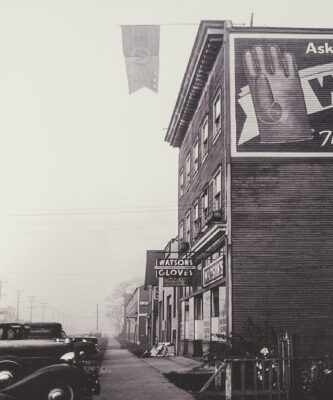
At Watson Gloves, for products that we sell into the California markets, we ensure are 3rd party laboratory tested to help us determine whether Prop 65 listed chemicals are present in our materials and advises us for Prop 65 compliance through monitoring developments and settlements.
Why it Matters to Watson Gloves
The Marking
To figure out which gloves have been tested and are Prop 65 compliant, find the Prop 65 marking on the product page on our website and product Declaration of Conformity (DoC).
For more information, visit www.p65warnings.ca.gov/
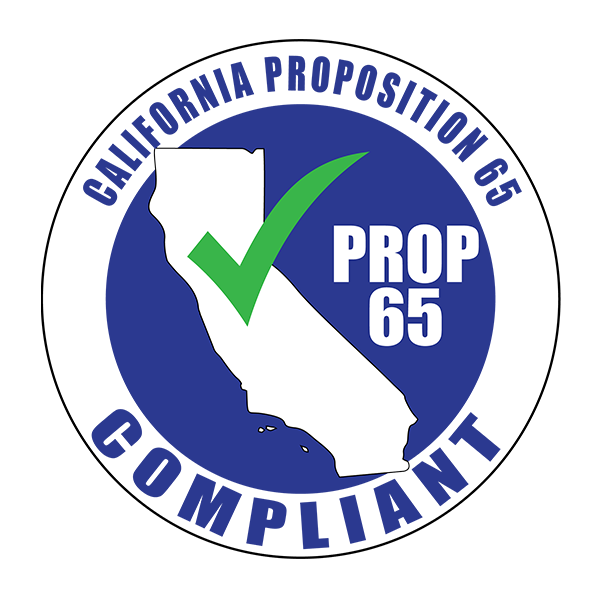
Find this marking on Prop 65 compliant products.
Click the button below to find all Prop 65 compliant gloves.

 Loading ...