
Archives

15 Ways to Beat the Heat When Working Outside at the Jobsite

15 Ways to Beat the Heat on the Job Site from Watson Gloves
*Updated June 20th, 2024*

Heat. Heat everywhere. Summer signals a time of heat and at times during the season, extreme heat. And if you’re working outdoors, you are at a higher risk of overheating. Roof work, construction, and any other industrial site that are outdoors are hot environments that can exacerbate overheating. During times of extraordinarily hot weather, it’s important to put safety as high priority. Why? Because the cost of overheating is not pretty.

Fortunately, we have all the essential tips to reduce overheating when working outside. We understand many occupations that involve outdoor work cannot simply be put to a halt. Knowing the ways you can protect yourself in the hot heat though will keep you both safe and productive.

Washing your Leather Gloves

Cleaning Watson Gloves Leather Gloves
Are your leather gloves looking rough? We get it, it’s easy to just throw your gloves into the closet, toss them into your toolbox, or chuck them into the back of your truck without cleaning them off. After time your gloves will naturally accumulate dirt and grime, building up bacteria, and shortening the lifespan of the glove. Cleaning your leather gloves, like you’d clean your leather boots, will help them age well, will stop them from smelling, and will allow you to use them longer.

Turning Landfill Biodegradable Gloves Into Energy – How Does That Exactly Work?

Reclaim Banner
Biodegradable products are becoming more and more relevant, especially as we pay greater attention to the end of life of our products and how they are discarded. With Watson Gloves’ landfill biodegradable gloves, they break down decades quicker compared to their non-biodegradable counterparts, leave no microplastics behind, and minimize waste in landfills. Fantastic, right? But what if we go one step further and tell you that our biodegradable gloves can be turned into organic matter and renewable energy? Then it seems like an easy choice to go the biodegradable route when choosing your gloves.

You must now be asking – how do our biodegradable gloves, a tangible product, convert into energy, an intangible resource? Well, rest assured, that question and more are answered below!

Inside the Watson Gloves Factory – Learn How Our Gloves Are Made
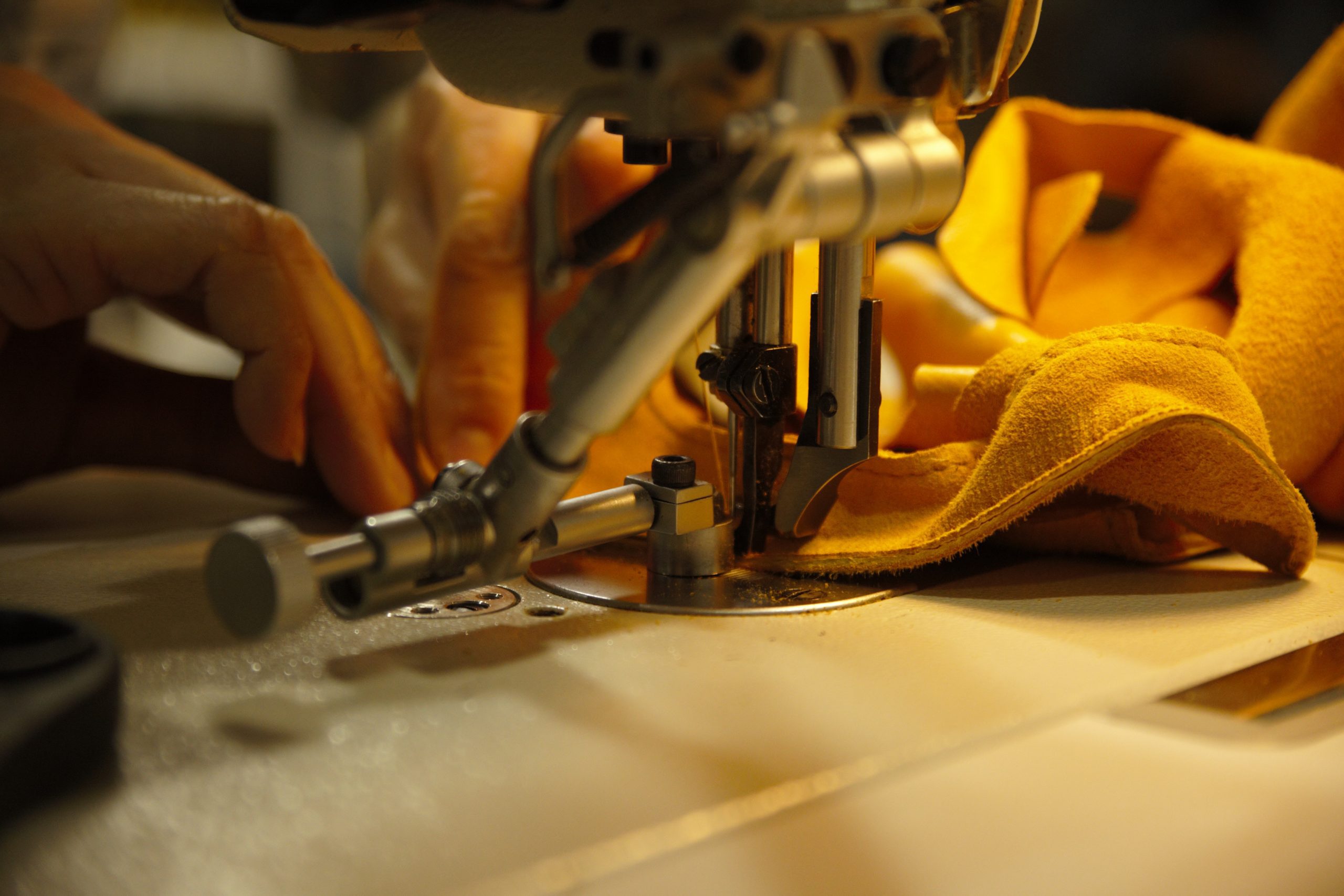
Watson Factory Header
For over 100 years, our Canadian factory has been the heart and soul of Watson Gloves. In 1918, they originally made handcrafted quality gloves for those working in saw mills, mines, logging camps, and farms, and also for industries requiring gloves during World War I. The work in our glove factory was very much a skilled job and still is today. Although over 100 years have passed, we still have a very ‘hands-on’ approach in making our gloves. Check out the 5 steps it takes to make our quality Watson gloves below!

Watson Webinar Recap: Demystifying Biodegradation and the Circular Economy

Demystifying Biodegradation and the Circular Economy Banner Clean
Sustainability, biodegradation, the circular economy. What are all these words that circulate our modern vocabulary? And what do they all really mean?

Well, for one, these words are not buzzwords. In fact, these processes have existed in natural habitats since the beginning of time. Now, in current times, with greater consideration from businesses, communities, and humans to be more sustainable, innovative solutions are being made to create products that are more restorative and regenerative to our world, such as biodegradable products, thus completing a circular economy.

Watson Webinar Recap: ANSI/ISEA 138: What You Need to Know About the New Impact Standard

ANSI/ISEA 138: What You Need To Know About the New Impact Standard Webinar Banner Clean
ANSI/ISEA 138:2019 fills a very important gap in the standards infrastructure in North America. We have the EN388 standard in Europe and the ANSI/ISEA 105 standard in North America – these standards provide guidance around cut, puncture, abrasion, and chemical exposure. And although the EN388 standard tests for impact, it only tests impact on the knuckles and then provides a pass or fail rating. Thus, before ANSI/ISEA 138:2019, there was never a robust, comprehensive standard to address full dorsal impact protection for industrial gloves.