

Archives
Gardening 101 – How to Grow Your Own Vegetables Through Seeding

The Evolution of Disposable Gloves
Updated April 4, 2023

Keep the Germs Out! How to Wash Your Gloves and Keep Them Clean


So the lesson here? Wash your hands. But wait – hold on! This is not just a hand washing lecture. We all know how crucial washing your hands with soap is during this time (sing Happy Birthday twice or your favourite song of choice for 20 seconds while washing your hands). But to make sure you’re well protected from all the viruses that are spreading around during this time, it’s good to regularly wash your gloves too (also good to regularly wash them year-round when they get dirty). A survey found 64% of people wash their gloves once a month or less and 15% claiming to have never washed them at all. And similar bacteria levels are found in both the inside and outside of the glove. So it seems appropriate to not only tell people to wash their hands but ALSO their gloves.
Why Should I Wash My Gloves?
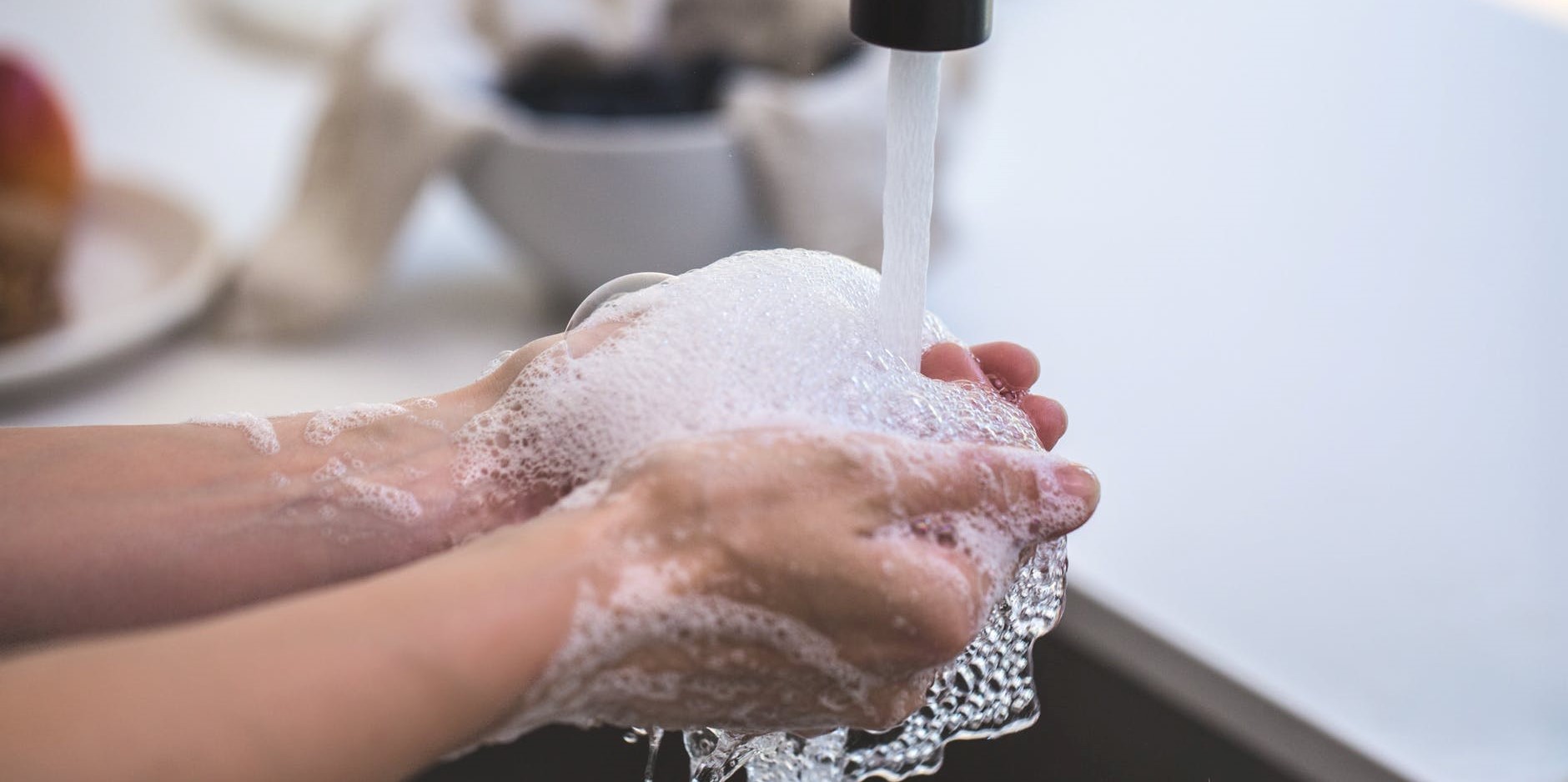
- Use mild soap:
Avoid using harsh detergents, strong chemicals, or hand sanitizer, as they can dry out and damage the glove material.
- Avoid heat:
Do not place gloves in a washing machine or clothes dryer, as the heat can degrade the material and reduce their effectiveness and longevity.
- Check care instructions:
Always refer to the manufacturer’s specific care instructions for your glove type, as some materials may require different cleaning methods.
- Clean the interior:Remember to turn the gloves inside out to clean the interior thoroughly, which helps prevent odors and bacteria from building up.
How Do I Wash My Gloves?
Whether you have gloves for work or for play, all gloves will naturally build up bacteria over time (and contaminants if you’re working with chemicals or other substances in the field). Cleaning them regularly can help increase the lifespan of the gloves and keep you hygienically safer. Below are tips on how to clean gloves based on the material:
1. Leather Gloves

Leather can be durable gloves for work or for play and they should be cleaned well if you wish to see long wear with them. If leather gloves are common wear for you, it’s a good idea to give them a good wipe with a cloth both inside and outside weekly. And if you see any residue, lightly clean it off with a damp cloth.
When your leather glove sees extreme wear and dirtiness though, it may be a good time to give them a good wash. If you have saddle soap, wash the gloves with the soap in cold water and lay them out flat to dry or hang them up to air-dry with clothespins (flip it inside out and clip all the fingertips so the fingers don’t lose shape). Do NOT wring the water away, otherwise you will lose the original and natural shape of the glove. Massage your gloves every couple of hours once they’re partially dry to help soften them and avoid having them get stiff. Place them in a cool, dry place and avoid direct sunlight, otherwise, they can also lose their shape.
If you don’t have saddle soap, you can use a toothbrush to scrub off any grime and dirt first. Then, put the gloves in a bucket of cold water with some laundry detergent or mild soap in it. Rub any additional grime and dirt off with your hands and then rinse the gloves in cold water. Before hanging them to dry, gently squeeze any water off the gloves in a downward movement – again do NOT wring the gloves. Hang the gloves up to air-dry with clothespins.
Absolutely avoid using harsh soaps, as that can erode the natural oils on the leather, which helps keep its shape. Otherwise, the removal of the natural oils can cause the gloves to become stiff and brittle.
2. Rubber, Nitrile, Neoprene and PVC Gloves
These gloves are very easy to clean and most definitely should be washed whenever you’re in contact with harsh chemicals. Before taking the gloves off, wash them with soap and water – using a hose or in a utility sink is recommended. Take them off and hang them to dry. Store them in a dry place to avoid mildew growth.
3. Cotton, Polyester, Nylon and Wool Gloves
All gloves made with these materials are safe to throw in the washing machine. If you’re laundering cotton, polyester or wool gloves, use cold water and mild laundry detergent. For nylon, use warm water and mild detergent. You can also soak them in water and hand wash with mild detergent. Again, soak with cold water for cotton, polyester and wool gloves, and soak with warm water for nylon. If you’re putting them in the dryer, make sure you tumble dry on low heat or no heat. Otherwise, gently squeeze out the water and lay them out to air-dry – do NOT wring the gloves, as that can affect their shape, especially wool.
Stay Fresh with ActiFresh®

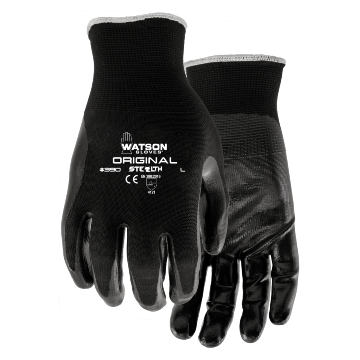
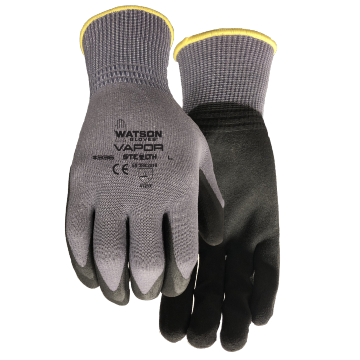
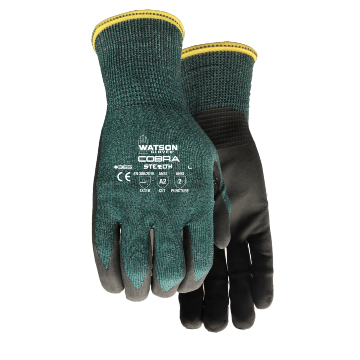
Actifresh® is a protective finish seen in many of our Stealth line of gloves. The integrated Sanitized® hygiene function reliably and durably protects gloves against UV radiation, rain, mildew and mold growth. They’re durable for longer wear without a flurry of bacteria building up but can also be washed in the laundry. Below are Actifresh® treated gloves that are great for every day wear, whether it’s getting groceries or doing errands, using equipment or working in your backyard.
Sign up for our newsletter!
Stay up to date with the latest Watson Gloves news, releases, and industry updates by signing up to our newsletter!
How to Prevent Heat Loss by Wearing the Right Gloves

Honouring our Canadian Forces, Veterans and First Responders with Wounded Warriors
*This article was partially updated on November 6, 2024.
“Lest we forget”
Ahead of Remembrance Day on November 11th, it’s always important to remember and honour our veterans. It’s also equally important to honour and recognize those who presently serve both abroad and within our communities. So that’s why this year, Watson Gloves chose to partner with Wounded Warriors Canada, a national mental health charity whose mission is to honour and support Canada’s ill and injured Canadian Armed Forces members, veterans, first responders and their families.
ANSI/ISEA 138 – The New Impact-Resistant Gloves Standard and What You Need to Know
The New Watson Gloves Website Has Launched!

How to choose the right leather glove
How to choose the right leather glove for the job can be difficult to navigate through; but we’ve made it easy!
Garden Gloves: More Than Just a Fashion Accessory
Gardeners are starting to feel it in the air. Spring is coming, and with it, a brand new gardening season. When you walk into your local garden centre in the next month, your eyes will surely be caught by the “Glove Rack.” On it you’ll see this season’s new fabrics, patterns and colours. While you’ll want to pick a pair that looks oh-so-fab, you should also consider their purpose. We wear gloves to garden in so our hands stay clean, but they are also extremely important for protection.
Frostbite – A Cold Weather Hazard
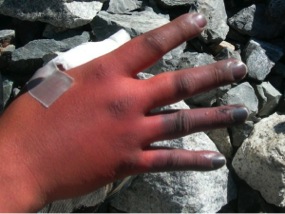 |  |  |
We’re now deep into the harsh winter months and in some parts of Canada, its frickin’ cold. One of the health hazards of cold weather is frost bite and the fingers and hands are extremely susceptible to it. This is because blood vessels farthest from the heart constrict in cold weather to conserve blood for major organs. Less oxygen reaches the fingers, so cells in the tissue death begin to die. This can lead to gangrene. Nasty stuff!
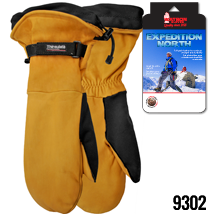
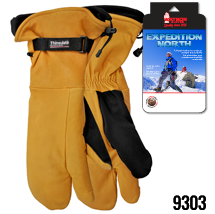
What’s the number one way to prevent frostbite? WEAR GLOVES! Or, better yet, wear mittens. Watson Gloves created a couple of mittens designed for extremely cold conditions. The #9302 and #9303 are part of our Expedition North series. Both mitts are treated with water-resistant Water-Off. Made right in our very own Burnaby factory, this series contains various mittens in two different styles: a traditional mitt or 1 finger style (index finger is on its own for dexterity and the other 3 fingers are together). As stated above, mitt style gloves keep your fingers together and therefore warmer. Whether you’re going to be in just cold, or cold and wet conditions, protect yourself with Expedition North gloves.
Read more: http://www.livestrong.com/article/75838-finger-frostbite-signs/#ixzz2Jfpnyalm

 Loading ...